
 Language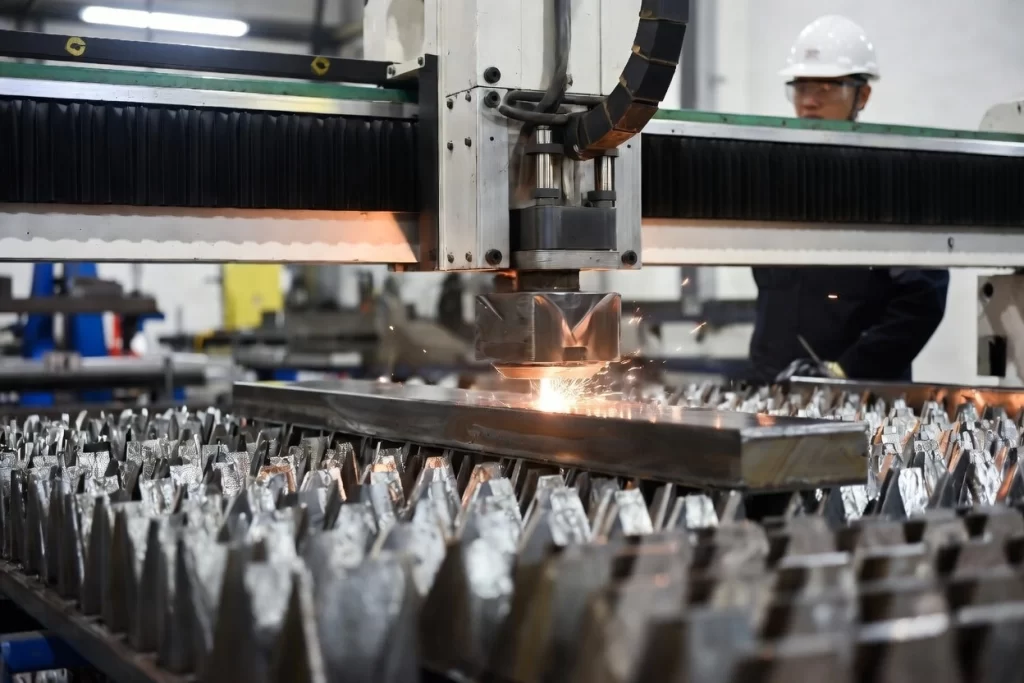
In our conversations with overseas buyers, manganese steel cutting is a topic that comes up quite often. At the early stage of a project, customers usually want to clarify a few key points first: Can manganese steel be laser cut? Will the cut edge quality be stable? Will the process affect welding, assembly, or end-use performance?
The question sounds straightforward, but in real production it depends on several factors, including the material condition, plate thickness, part geometry, order volume, and quality requirements. Based on our hands-on manufacturing experience, this guide explains the key points of laser cutting manganese steel so buyers can quickly assess whether it is the right process for their project.
What Is Manganese Steel and Why Is It More Difficult to Cut?
Manganese steel is commonly used in applications that require high impact resistance and wear resistance. It is widely found in mining equipment, construction machinery, crushing systems, and conveyor components. In the projects we handle, manganese steel parts are usually selected for their service life and ability to withstand heavy impact.
One of its defining characteristics is its high toughness. Under load, the material tends to work-harden, which increases the difficulty of cutting and any downstream processing. Compared with standard carbon steel, manganese steel is more sensitive to heat input, so cut edge condition, distortion control, and edge consistency all require tighter process control and more practical experience.
Can Manganese Steel Be Laser Cut? Start with Process Feasibility
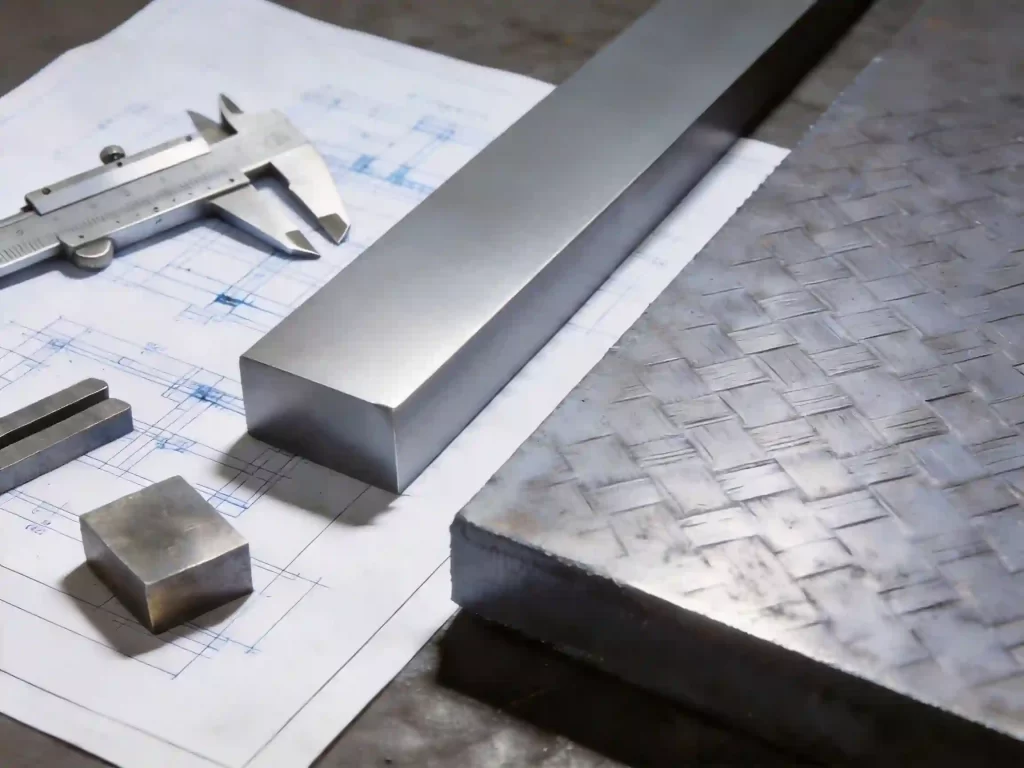
From our experience, manganese steel can be laser cut, but whether it can be produced consistently depends on the specific requirements of the project. For medium-thin plate, parts with complex contours, and components that require good dimensional consistency, laser cutting often offers clear advantages in both efficiency and precision.
For thicker plate, wear parts, or components that will later be exposed to heavy impact loads, we usually evaluate the process first before deciding whether laser cutting is the right option. For buyers, the real question is not whether a machine is technically capable of cutting the material. What matters is whether the finished part can meet the drawing requirements, assembly needs, and service conditions after cutting.
What Factors Affect the Laser Cutting Result on Manganese Steel?
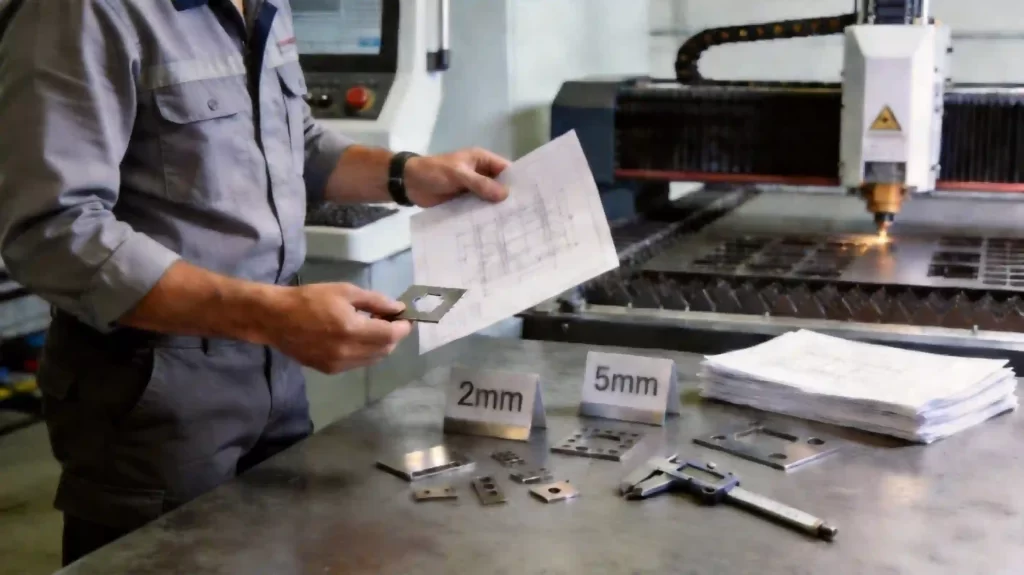
In the projects we work on, five main factors usually determine the cutting result: material condition, plate thickness, part geometry, edge quality requirements, and downstream processes.
As thickness increases, heat concentration rises and it becomes harder to maintain a stable cut edge. Smaller parts or layouts with dense holes are more likely to experience localized thermal distortion. If the parts will later be bent, welded, machined, or assembled, the quality of the initial cut will directly affect the efficiency and consistency of the following operations.
For overseas buyers, providing this information clearly at the RFQ stage can significantly reduce back-and-forth communication and shorten the evaluation cycle.
Suitable Thickness Range and Processing Requirements for Laser Cutting Manganese Steel
We generally do not judge a project based only on the “maximum cutting thickness” a machine can handle. That number is often more useful as a marketing claim than as a buying decision tool. What matters far more is the stable processing range: under what thickness, part geometry, and quality standard can the supplier deliver consistent results over time?
For parts with complex profiles, prototype runs, or tighter dimensional requirements, laser cutting is often a strong option. For thick wear-resistant parts, we take a more cautious approach and look closely at cut edge condition, heat-affected zone, and overall delivery risk before confirming the process route.
Key Quality Control Points in Laser Cutting Manganese Steel
In our production management, the quality of laser-cut manganese steel is usually evaluated through several key criteria: edge smoothness, dross control, whether the heat-affected zone remains within an acceptable range, dimensional stability at critical features, and consistency from batch to batch.
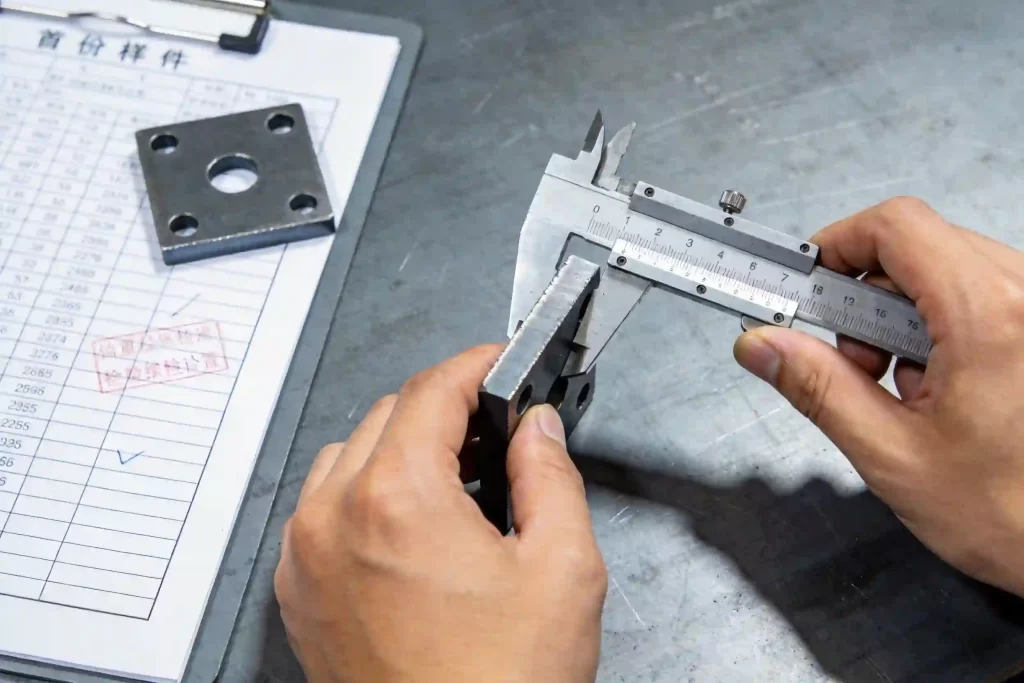
Before full production, we normally carry out a first-article check to verify edge condition, hole dimensions, and any dimensions related to fit-up or assembly. When a customer has tighter requirements for appearance, fit, or downstream processing, we also pay closer attention to material sourcing, machine condition, cutting path strategy, and inspection frequency, since all of these factors can affect the final result.
How to Choose a Reliable Manganese Steel Laser Cutting Supplier
If you are sourcing a supplier for manganese steel cutting, we suggest focusing on three points. First, has the supplier handled similar materials or similar end-use applications before? Second, can they discuss process limits and potential risks before quoting? Third, do they have a clear workflow for sampling, inspection, and production control?
In our experience, truly reliable suppliers usually ask the right questions up front, such as the material grade, thickness, tolerance requirements, edge expectations, and end-use conditions, before making a recommendation. This kind of communication usually leads to a more dependable solution and a better long-term partnership than simply choosing the lowest price.
FAQ
1. Can manganese steel be laser cut?
Yes, but the answer depends on the plate thickness, drawing requirements, and end-use application.
2. Is every manganese steel part suitable for laser cutting?
Not always. Medium-thin plate and complex parts are more commonly suited to laser cutting, while thicker parts usually need additional evaluation.
3. Does laser cutting affect the properties of manganese steel?
Yes. There will be some thermal effect, so the process should be assessed against the project requirements.
4. What information should buyers provide at the RFQ stage?
We recommend providing the material grade, thickness, drawings, tolerances, quantity, and any downstream processing requirements.
5. How can you tell whether a supplier is reliable?
Look at their project experience, sampling capability, quality control system, and communication efficiency.
