
 Language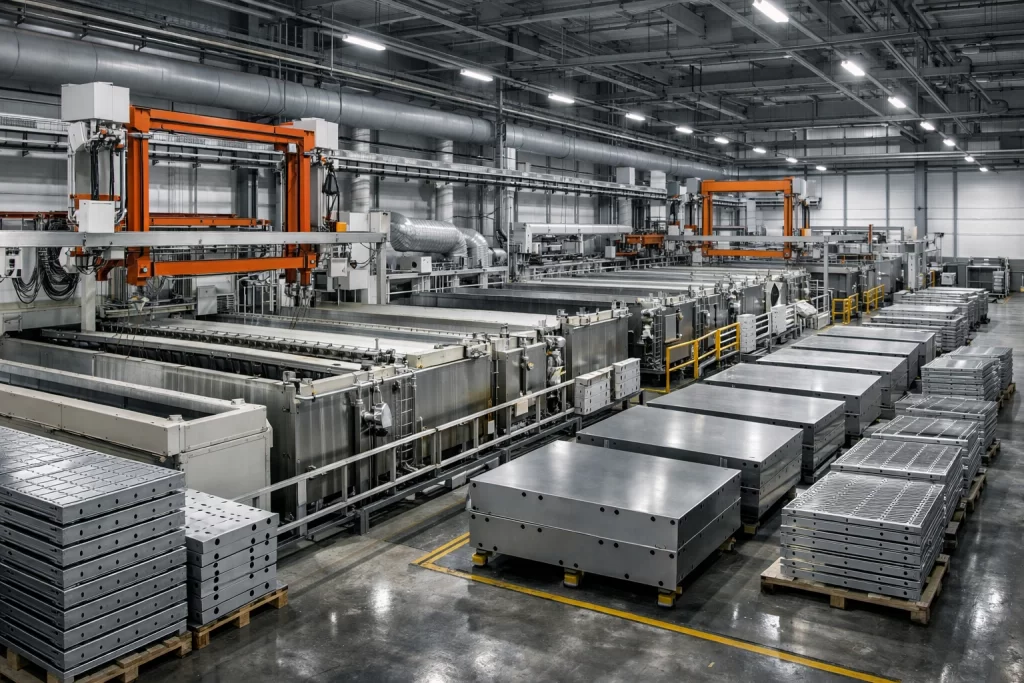
In sheet metal fabrication projects, surface treatment has a direct impact on corrosion resistance, coating adhesion, and consistency in batch production. When working with overseas buyers, we usually begin by confirming the service environment, the intended coating system, and the acceptance criteria before recommending the right pretreatment solution. Phosphating is a critical part of that process. It affects not only sample performance, but also production consistency and long-term durability. Based on our hands-on manufacturing experience, this article explains the principles, process flow, selection logic, and practical value of phosphating.
What Is Metal Surface Phosphating?
Metal surface phosphating is a widely used chemical conversion coating process. After a workpiece is treated in a phosphate solution, a uniform phosphate layer forms on the metal surface. In zinc phosphating, which is commonly used for sheet metal parts, the coating thickness is typically around 1 to 3 μm. This layer provides a more stable base for subsequent powder coating or painting, while also improving corrosion resistance. For cold-rolled steel and carbon steel sheet metal parts, phosphating is commonly used as a pretreatment before coating.
Why Is Phosphating Important for Sheet Metal Parts?
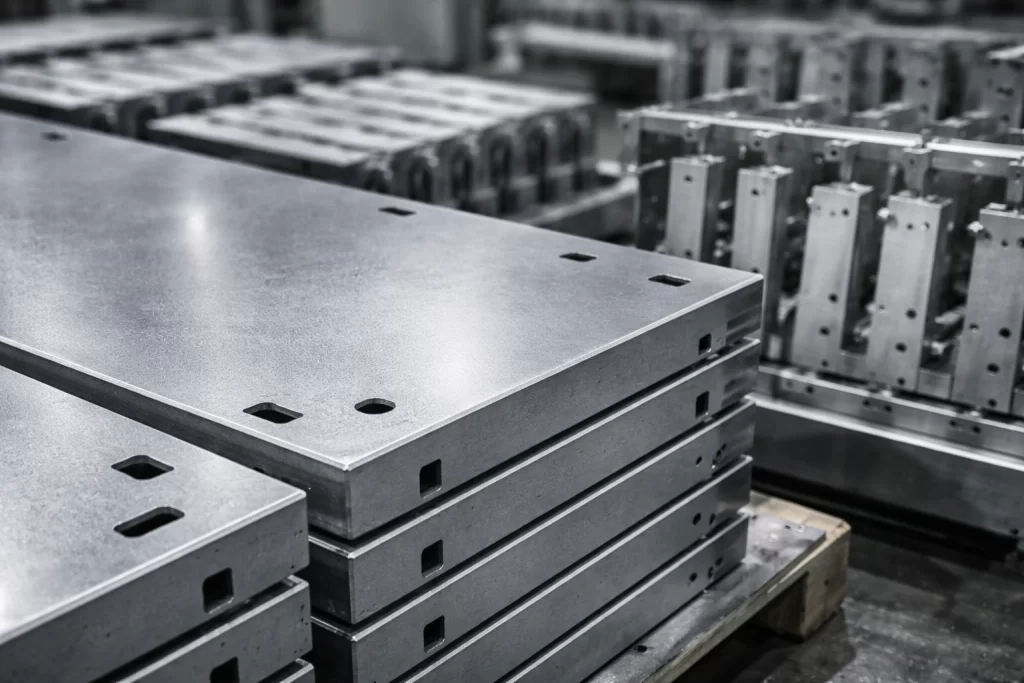
Sheet metal parts are exposed to demanding conditions during transportation, assembly, and service, so surface quality matters throughout the product lifecycle. After phosphating, the surface becomes cleaner, the conversion layer is more uniform, and the subsequent coating is able to achieve more reliable adhesion. In many industrial coating applications, properly pretreated parts are more likely to meet customer requirements for adhesion, appearance consistency, and salt spray performance. For export orders, these details can directly affect inspection efficiency and end-user satisfaction.
Our Phosphating Process and Quality Control Approach
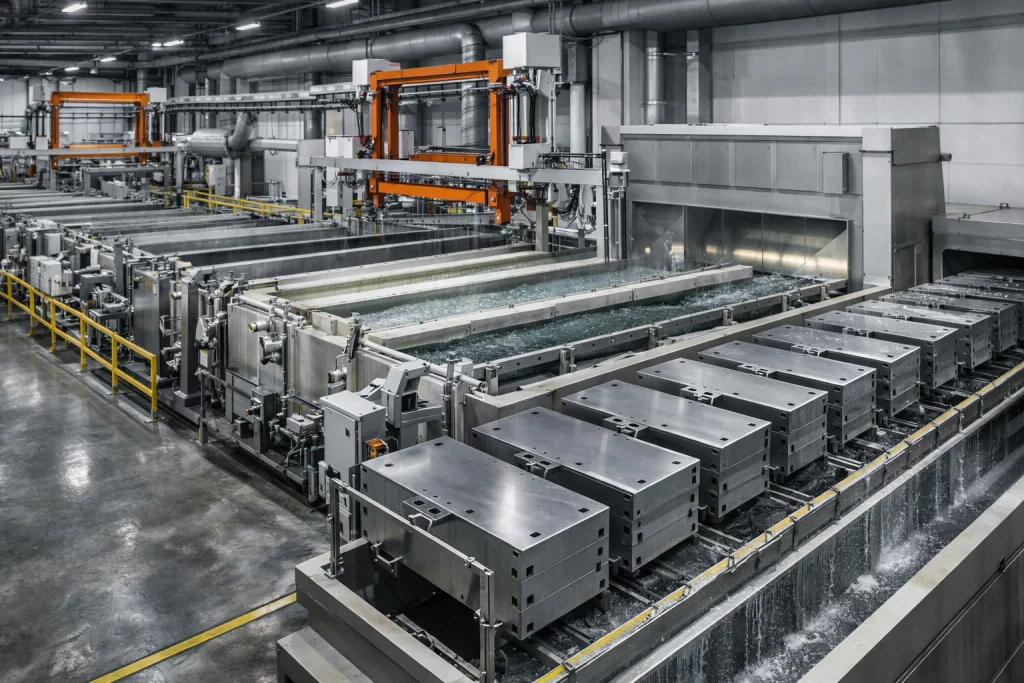
In actual production, we typically follow a process that includes degreasing, rinsing, surface conditioning, phosphating, rinsing, drying, and preparation for subsequent coating. Degreasing is commonly carried out at 50 to 60°C. The phosphating stage is adjusted according to the chemical system and the condition of the workpiece, and the reaction is completed within a controlled temperature range. Once a project moves into batch production, we combine first-piece approval, in-process inspection, and pre-shipment sampling to ensure stable coating performance, surface cleanliness, and compatibility with the final finishing process.
Zinc Phosphating vs. Manganese Phosphating: How to Choose
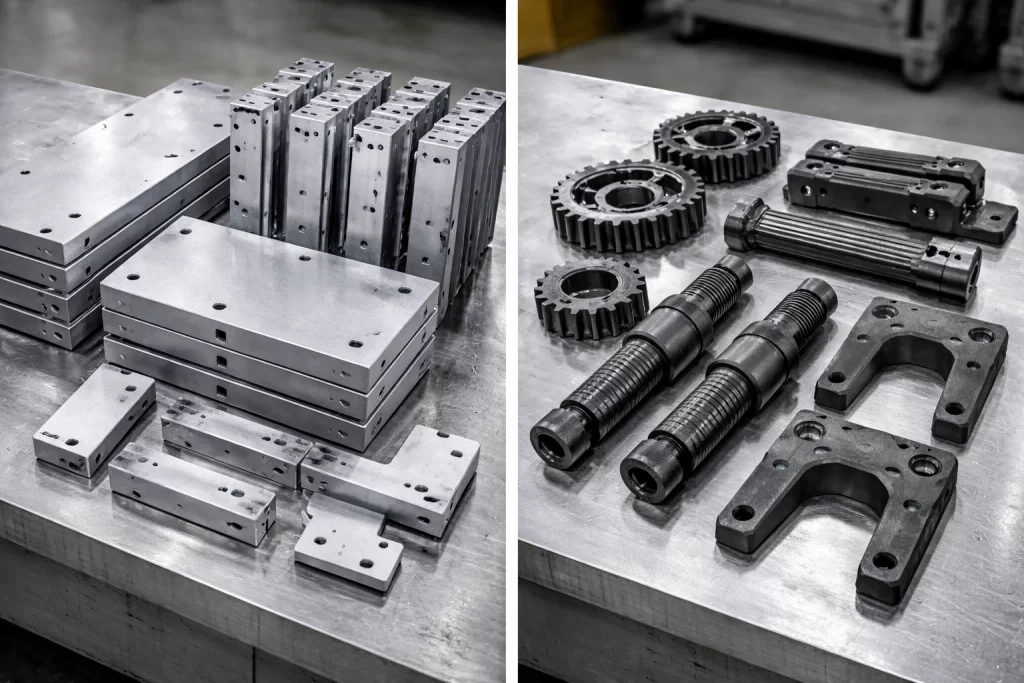
Zinc phosphating is more widely used in sheet metal applications and is well suited for powder coating and painting pretreatment. It is commonly used for cabinets, enclosures, brackets, housings, and similar products. It is generally the preferred option for projects that focus on coating adhesion and corrosion protection. Manganese phosphating is more suitable for parts that require wear resistance and lubricity. Its coating is usually thicker than zinc phosphate, with a typical range of about 2 to 5 μm. In our experience with overseas procurement projects, zinc phosphating is usually the first choice for coated sheet metal parts, while manganese phosphating is better evaluated for components with higher wear requirements.
Quality Standards and Inspection Methods
Phosphating quality is typically evaluated in terms of appearance, coating uniformity, adhesion performance, and corrosion resistance. Depending on the customer’s requirements, we can arrange visual inspection, coating condition checks, cross-hatch testing, and salt spray validation. In many export projects, buyers are particularly concerned with salt spray requirements in the range of 200 to 500 hours. The exact target is usually defined based on the coating system, service environment, and acceptance criteria. This makes it easier for buyers to assess quality at the sampling, approval, and batch delivery stages.
What Types of Sheet Metal Parts and Industries Is Phosphating Suitable For?
This process is suitable for cabinets, electrical boxes, brackets, housings, panels, structural hardware, and a wide range of industrial equipment components. It is widely used in industries such as industrial equipment, electrical control systems, automation, transportation-related products, and home appliance components. Any sheet metal project that requires powder coating or painting, while also placing importance on corrosion resistance, appearance, and batch consistency, is a good candidate for phosphating pretreatment.
OEM/ODM Capabilities: Production Consistency, Custom Solutions, and Delivery Assurance
As a sheet metal fabrication manufacturer, we focus on three key factors in OEM and ODM projects: process suitability, production consistency, and delivery reliability. During the sampling stage, we confirm the appropriate phosphating solution based on the drawings, material type, service environment, and surface finish requirements. Once mass production begins, we maintain sample-to-production consistency through process control, in-process inspection, and packaging management. For projects that require both phosphating and powder coating or painting, we can also provide a more complete one-stop solution to make the sourcing process more efficient.
FAQ
Is phosphating suitable before powder coating?
Yes. Many sheet metal parts undergo phosphating before powder coating as part of the pretreatment process.
Which materials are commonly phosphated?
Cold-rolled steel and carbon steel sheet metal parts are the most common, although the final process should always be confirmed based on project requirements.
How can phosphating quality be evaluated?
It can be assessed through a combination of visual inspection, coating condition checks, cross-hatch testing, and salt spray validation.
Can sample quality be maintained in batch production?
Yes. Once the process requirements and inspection criteria are clearly defined upfront, consistency in batch production is much easier to control.
Can you provide an integrated service that includes phosphating and coating?
Yes. We can provide matching processing solutions based on the specific needs of the project.
Looking for a sheet metal fabrication supplier with both phosphating pretreatment and coating capabilities? Feel free to contact us. Based on your drawings, material specifications, and corrosion protection requirements, we can recommend a suitable processing solution and support your project from prototyping through full-scale production.
