
 Language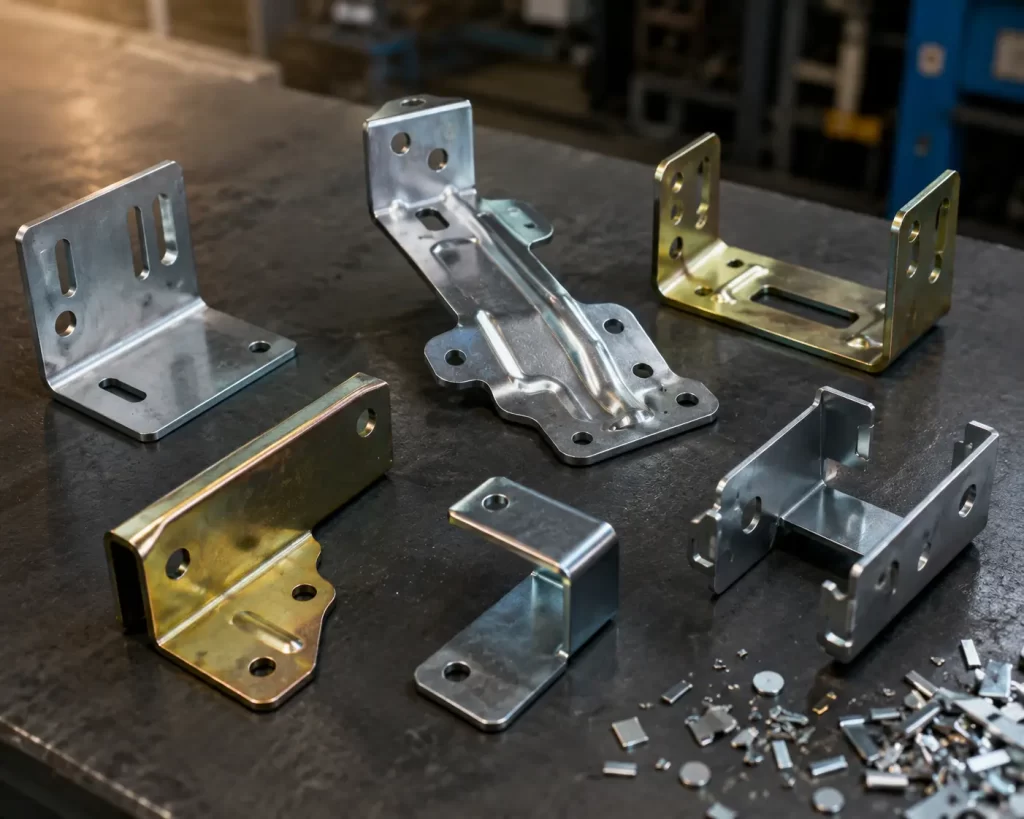
From material selection and tooling strategy to tolerance control, surface finishing, and production consistency—a practical framework for precision stamped bracket manufacturing. Precision stamped brackets are structural mounting components produced by blanking, forming, and bending sheet metal with stamping dies. They are widely used in automotive electronics, telecommunications equipment, industrial automation, LED lighting, and medical devices […]
Category Archives: BLOG
17
Aug
Aug
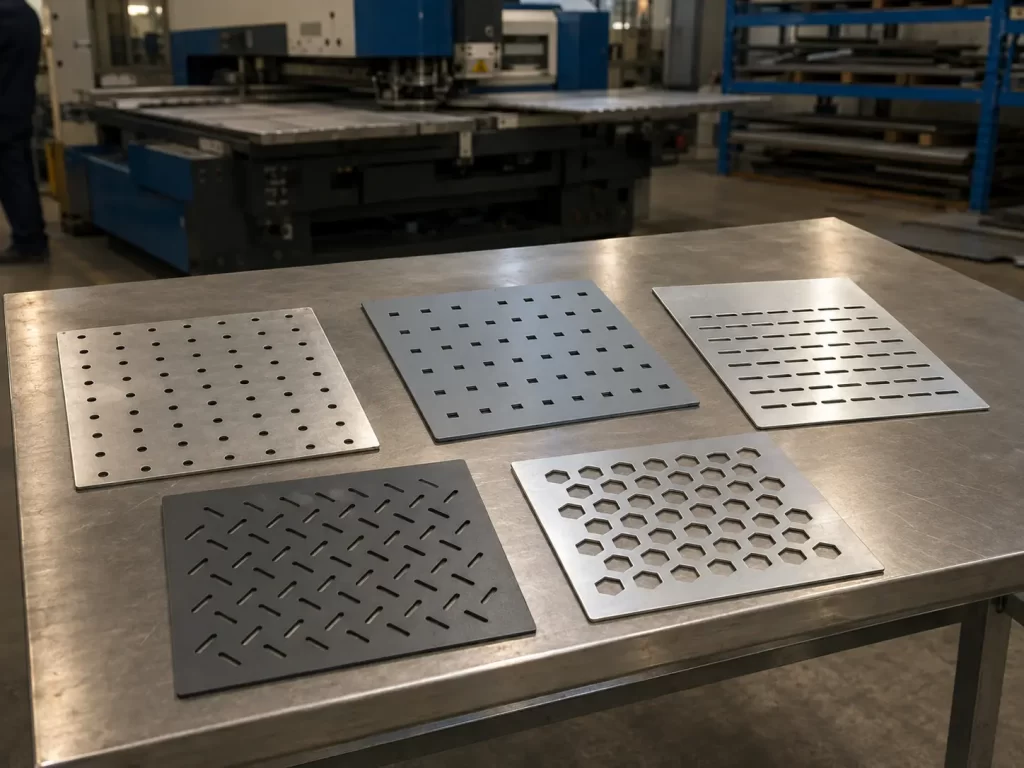
What Is CNC Punching for Perforated Sheet Metal Parts? What Are Perforated Sheet Metal Parts? Perforated sheet metal parts are flat metal components with a pattern of holes, slots, or custom-shaped openings. These features are commonly used for ventilation, filtration, noise control, visual screening, and weight reduction. Unlike expanded metal or woven wire mesh, perforated sheet […]
10
Aug
Aug
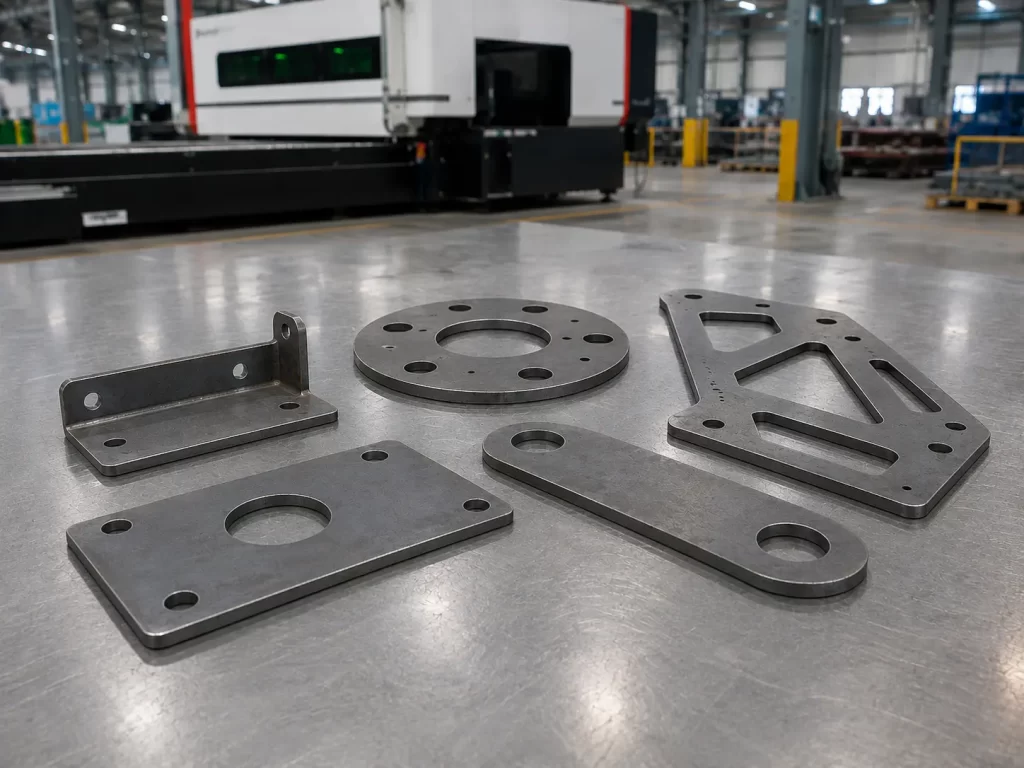
Laser cutting has become a widely used precision process for carbon steel components. Once plate thickness exceeds 6 mm, factors such as laser power, focal position, assist gas, and cutting speed have a much greater impact on final cut quality. For engineers sourcing thick carbon steel parts, selecting the right material and process parameters can […]
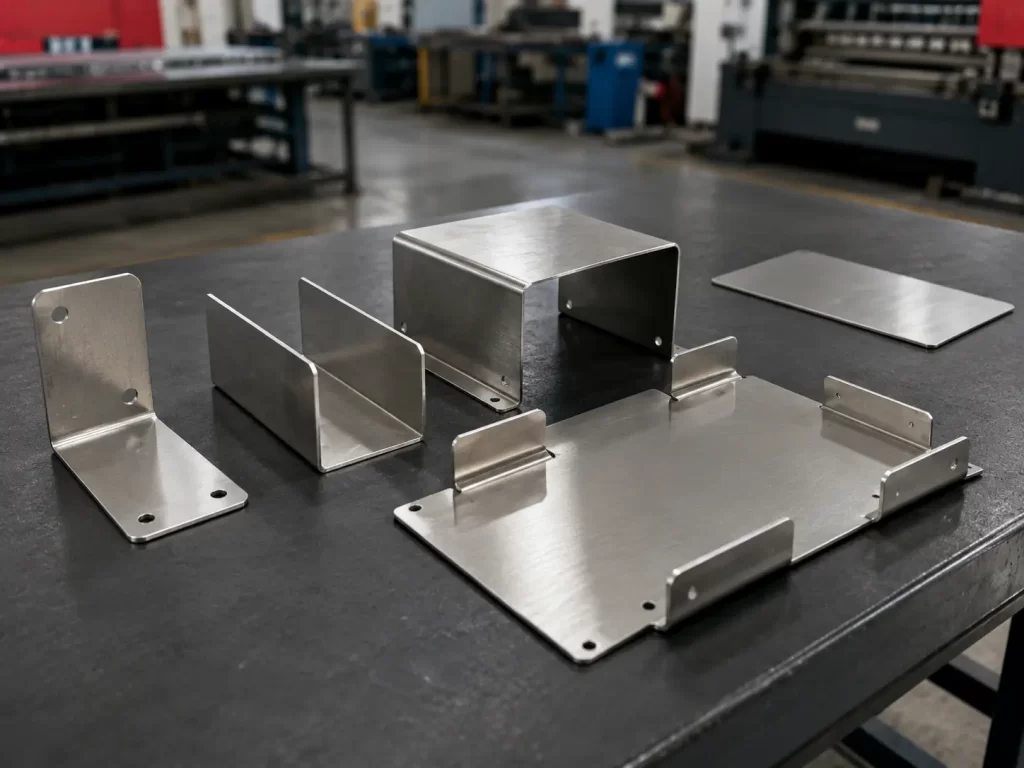
Brushing is a common mechanical finishing process used in sheet metal fabrication. Abrasive belts or rotary brushes are used to create a uniform, directional grain on the stainless steel surface. This reduces specular reflection and produces a softer, matte appearance with a distinctive industrial character. Unlike mirror polishing, which progressively removes surface texture, brushing deliberately […]
27
Jul
Jul
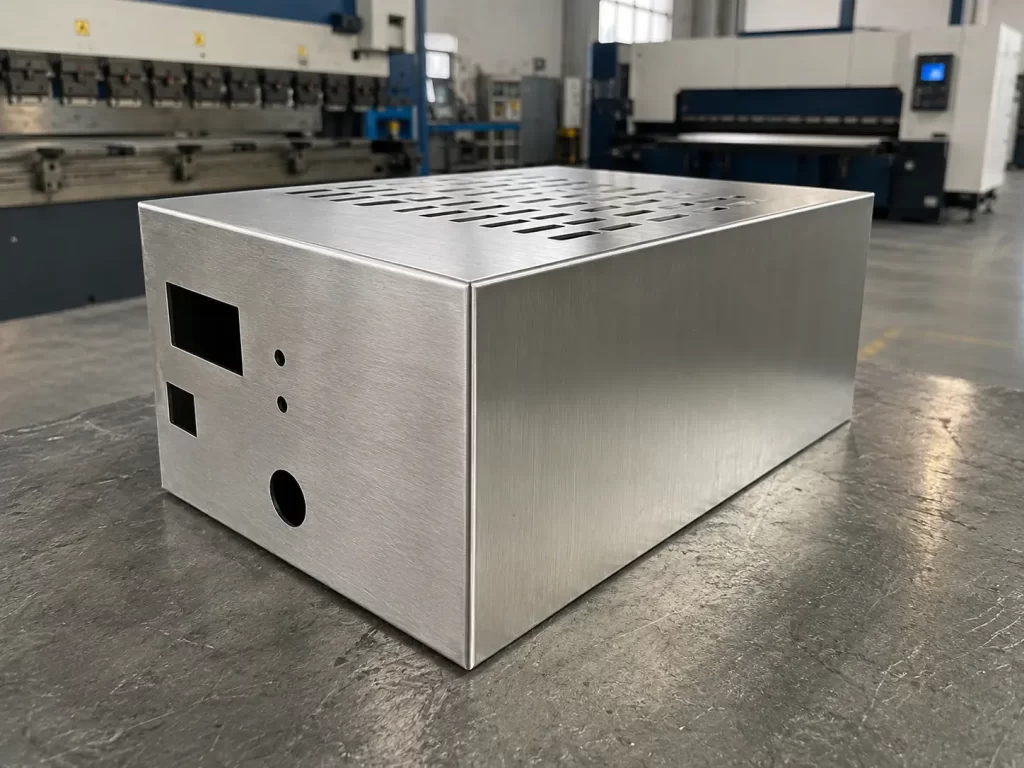
A hands-on reference for engineers and procurement teams — covering grade selection, springback compensation, DFM checks, and quality control from prototype through production. Stainless steel sheet metal bending uses press brakes to form stainless steel sheet or plate into precise angular shapes. The process is widely used to produce brackets, enclosures, guards, ducts, and structural […]
20
Jul
Jul
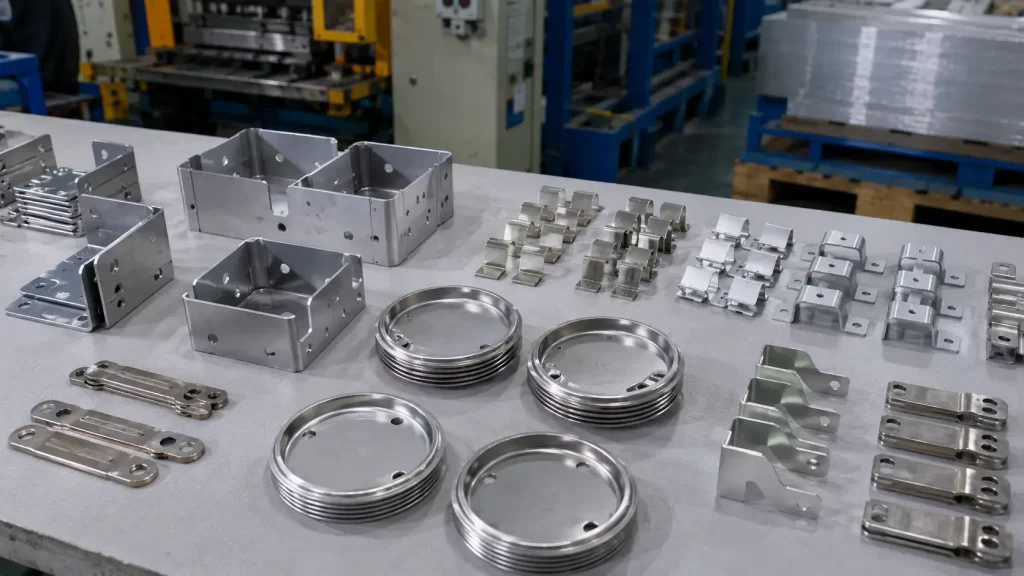
A practical guide for engineers and procurement professionals covering stainless steel grade selection, welding methods, surface finishes, and quality control in custom enclosure fabrication—from design review through volume production. Custom stainless steel enclosure welding is the process of manufacturing non-standard metal housings through a sequence of laser cutting, forming, welding, and surface finishing operations. Engineers, […]
14
Jul
Jul
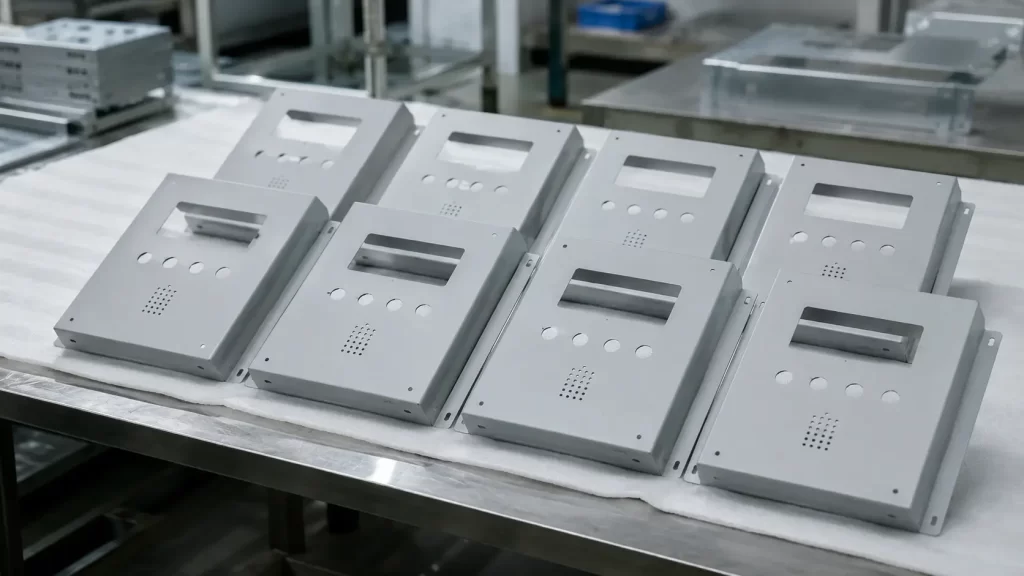
A practical reference for engineers and purchasing teams, covering tooling selection, material choice, DFM principles, quality control, and RFQ preparation. High-volume metal stamping uses presses and custom tooling to form sheet metal parts at scale. For brackets, enclosures, terminals, spring clips, and similar components produced in annual volumes ranging from tens of thousands to millions, […]
06
Jul
Jul
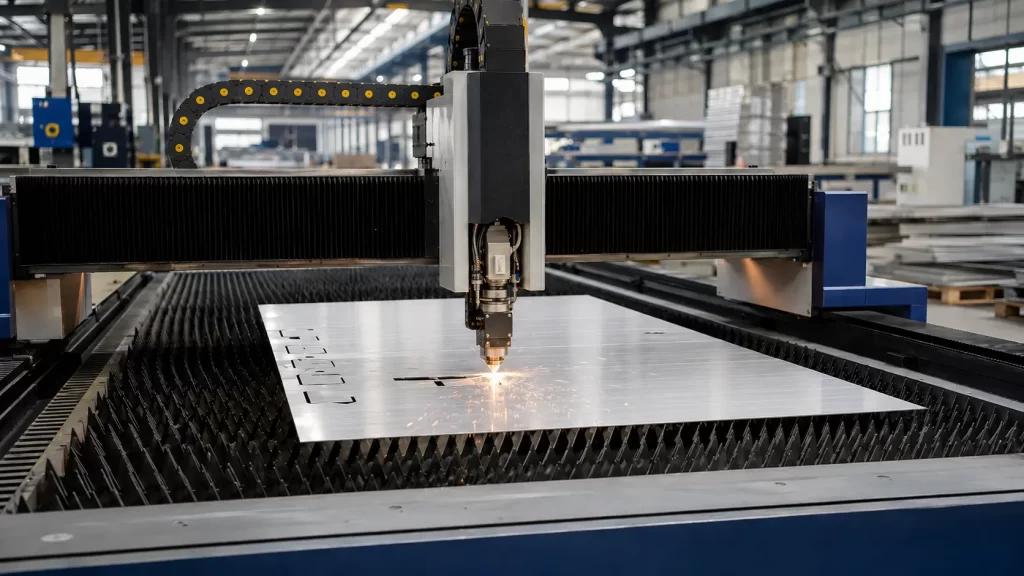
Basic Quotation Requirements for Custom CNC Punched Metal Panels Custom CNC punched metal panels are commonly used for equipment panels, control panels, enclosure doors, instrument housings, and other sheet metal components. In most cases, the CNC punching process is used to create holes, cutouts, and local formed features on the panel. Whether additional processes are […]
29
Jun
Jun
Overview of Custom Laser-Cut Aluminum Enclosures Custom laser-cut aluminum enclosures are sheet metal components made through laser cutting, bending, PEM hardware installation, welding, and surface finishing. They are widely used as equipment housings, electronic enclosures, instrument cases, and control box covers. Although they may look like simple outer shells, many details can affect the final […]
26
Jun
Jun
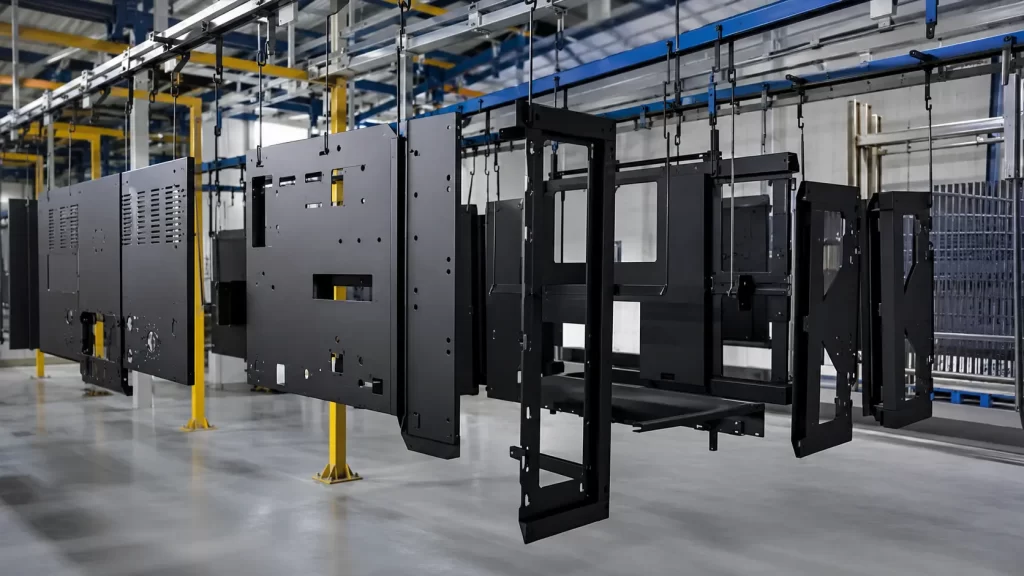
Sheet metal powder coating is a surface finishing process in which powder coating material is electrostatically applied to a metal surface and then cured with heat to form a protective coating. It is widely used for electrical enclosures, equipment housings, automation sheet metal parts, metal brackets, and OEM metal panels. A good-looking sample only proves […]